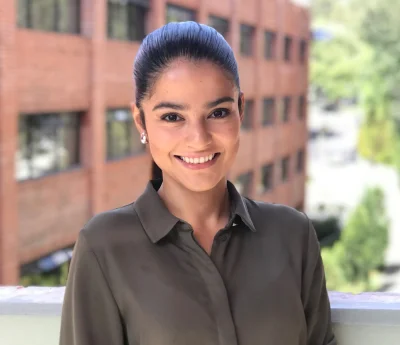
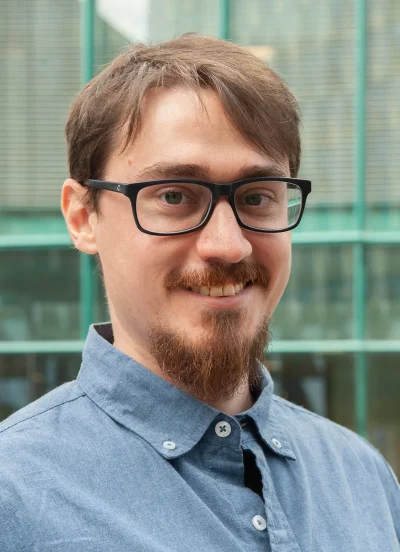
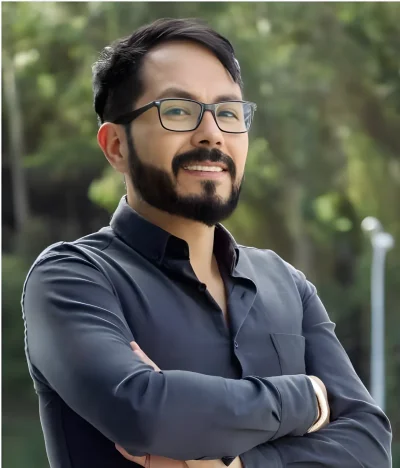
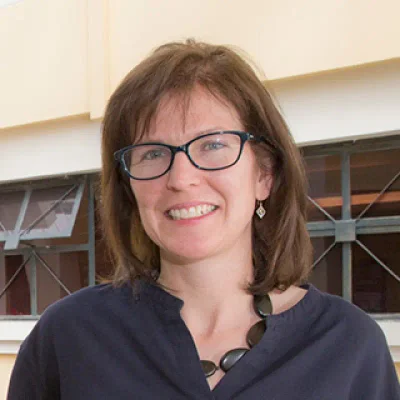
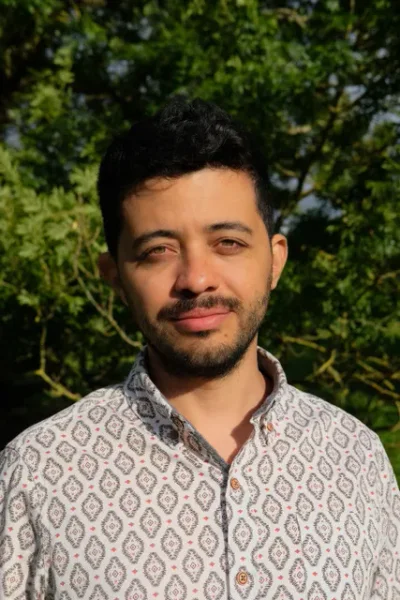
KhipuX Quito Conference venue and attendees
23-25 February 2026

Khipux Quito 2026

Democratizing AI in Bioimage and Medical Imaging

Application Deadline: 4 February 2026
Remaining time: Loading...

About the Event

KHIPUx Quito is a 3-day hybrid event designed to advance the role of Artificial Intelligence in biological and medical imaging across Latin America.

Hosted by Universidad Internacional del Ecuador (UIDE), we bring together students and early-career researchers from biology, medicine, data science, and AI. Engage in expert-led lectures, technical workshops, poster sessions, and a collaborative hackathon developing open-source AI tools for regional health challenges.

Key Themes

AI for Bioimage & Medical Imaging

Advancing diagnostic tools and research through cutting-edge artificial intelligence

Ethical AI & Data Sovereignty

Building responsible frameworks that respect regional autonomy and privacy

Open Science & Collaboration

Fostering transparent research and cross-border partnerships across Latin America

Empowering Regional Talent

Nurturing the next generation of Latin American AI researchers and practitioners

Speakers

Photo of Andrea Lara, PhD

Andrea Lara, PhD

(Guatemala, Universidad Galileo)

Director, Biomedical Engineering Institute

Director of the Biomedical Engineering Institute and founder of BiomedLab at Universidad Galileo. She holds a PhD in Biomedical Engineering from TU Graz and has research experience in artificial intelligence applied to medical image analysis. She currently leads initiatives aimed at strengthening health technology in Guatemala.

Photo of Catherine D'Ignazio

Catherine D'Ignazio

(United States, MIT)

Associate Professor of Urban Science and Planning

Associate Professor of Urban Science and Planning in the Department of Urban Studies and Planning at MIT. She is also Director of the Data + Feminism Lab which uses data and computational methods to work towards gender and racial justice, particularly as they relate to space and place.

Photo of Agustín Corbat, PhD

Agustín Corbat, PhD

(Argentina, Universidad de Buenos Aires)

Bioimage Analyst

Bioimage Analyst with a PhD in Physics, specializing in transforming images into precise quantitative data. He uses his interdisciplinary expertise in physics and medicine to apply advanced image analysis and mathematical modeling to solve complex challenges in the biomedical and petrography sectors. Dr. Corbat has held research and analyst roles at the University of Buenos Aires, Uppsala University, and the Karolinska Institute, and he provides expert consulting and courses on image analysis.

Photo of Diana Mosquera

Diana Mosquera

(Ecuador, Diversa)

Leader in Human-Centered AI

Leader in human and nature-centered AI with over 10 years of experience developing ethical and socially innovative technology projects. Specialist in data justice and AI ethics, she combines technical expertise with social commitment to drive a more just, transparent, and humane digital transformation. She leads multidisciplinary teams with strategic vision and a focus on sustainable regional impact.

Photo of Hernán Morales-Navarrete, PhD

Hernán Morales-Navarrete, PhD

(Ecuador, Universidad de Las Américas – UDLA)

Computational Bioimage Scientist

Computational bioimage scientist with a PhD from the Max Planck Institute of Molecular Cell Biology and Genetics, specializing in quantitative image analysis, machine learning, and AI-driven modeling of biological systems. His research focuses on decoding tissue and developmental organization from 2D and 3D microscopy data using interpretable deep learning and physics-inspired approaches. He has contributed to pioneering work in computational embryology and tissue modeling, including studies recognized as Method of the Year by Nature Methods. Currently, he leads research and training initiatives in bioimage analysis and AI in Ecuador, promoting open science, FAIR data practices, and capacity building across Latin America.
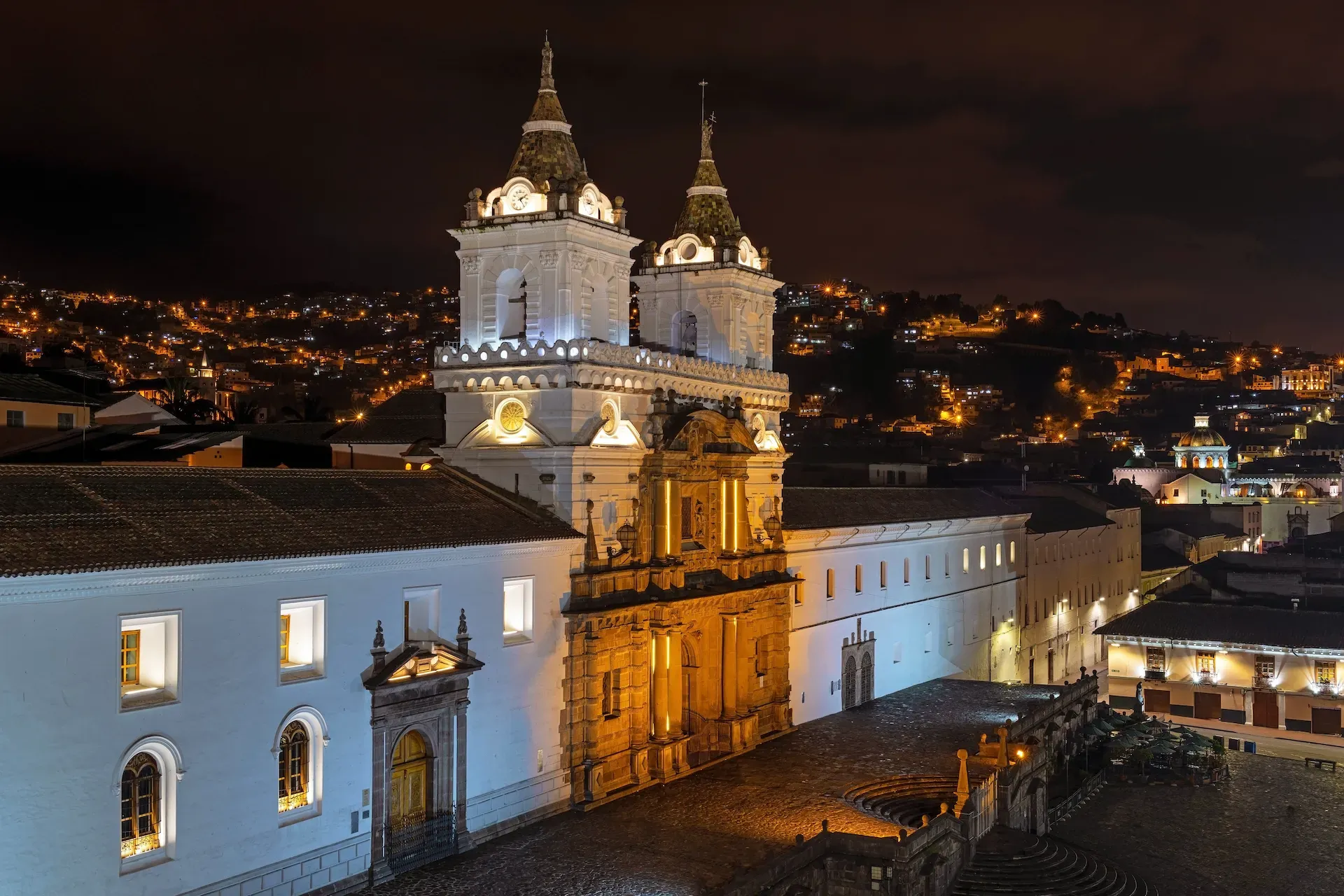
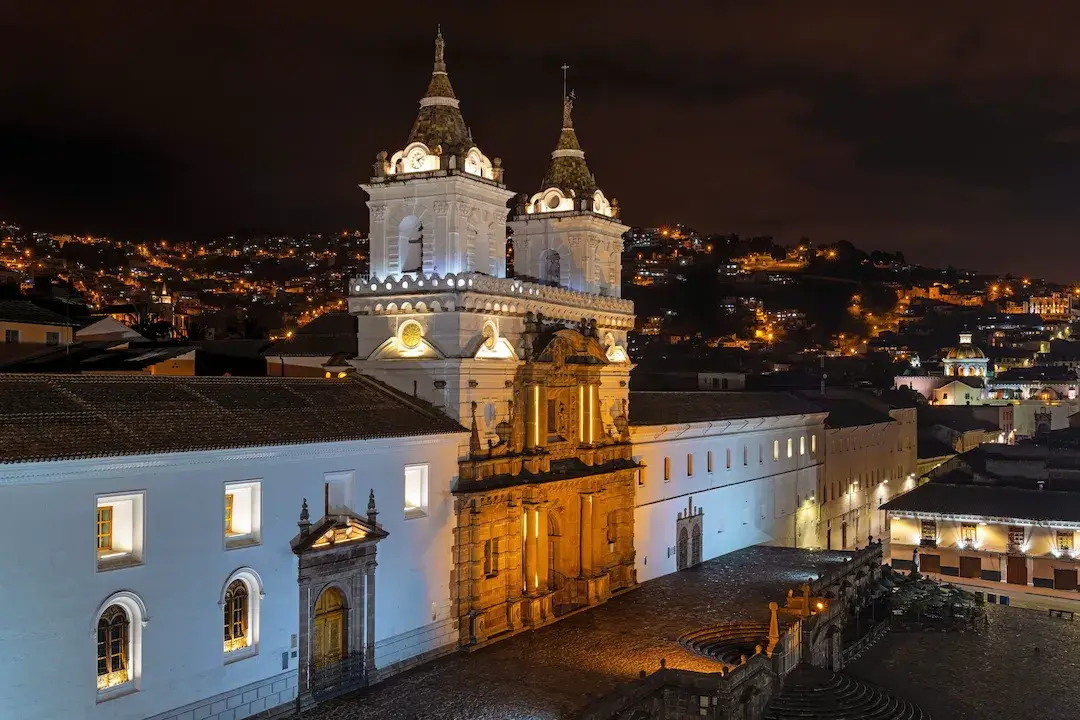
Photo of Cheryl Martens, PhD

Cheryl Martens, PhD

(Ecuador, Universidad San Francisco de Quito)

Director, Institute for Advanced Studies in Inequalities

Director of the Institute for Advanced Studies in Inequalities and Professor of Sociology at the University of San Francisco de Quito. She holds a PhD in Sociology from the University of Manchester and her research focuses on the sociology and political economy of communication, media politics, and digital activism in South America. Her publications in the field of communication include "Questioning Technology in South America" in Thesis Eleven journal and three co-edited collections: Digital Activism, Community Media and Sustainable Communication from Palgrave MacMillan (in English) and the Universidad del Valle and USFQ Press publications (in Spanish), Strategies for Media Reform: International Perspectives (Fordham University Press), and The International Political Economy of Communication: Media and Power in South America (Palgrave MacMillan).

Photo of Ola Bini

Ola Bini

(Sweden, Center for Digital Autonomy)

Principal Security Analyst

Swedish expert in programming and cybersecurity with over 30 years of experience, recognized for having been part of the expert group that developed the Java language. Founder of organizations such as the Center for Digital Autonomy and Digital Security EC, he currently stands out as a principal security analyst in Ecuador, where he conducts high-level audits and incident response. In addition to being the author of two technical books and an active contributor to Free Software, he holds elite international certifications (such as OSCP and CEH) and is a prestigious global speaker who has shared his knowledge in forums such as Google TechTalks and at leading Ecuadorian universities.

Photo of Andrés Domínguez Hernández

Andrés Domínguez Hernández

(United Kingdom, Alan Turing Institute)

Ethics Fellow

Ethics Fellow at the Alan Turing Institute and a Visiting Senior Lecturer at the Digital Environment Research Institute at Queen Mary University of London. He is an interdisciplinary scholar studying the ethics, governance, and societal implications of emerging and digital technologies. He has a track record of collaborating with computer scientists, engineers, creative practitioners, designers, and policymakers toward fostering more equitable, sustainable, and plural digital futures.

Program Overview

Foundations and Regional Landscape

  • Welcome session and opening remarks
  • Keynote Lecture (TBD) – "The future of AI in biomedical research in Latin America" — invited speaker
  • Panel Discussion – "Building regional capacity in AI for bio and medical imaging"
    Panellists:
    • Andrea Lara (Guatemala, Universidad Galileo)

    • Agustín Corbat (Universidad de Buenos Aires)
    • Hernán Morales-Navarrete (Ecuador, UDLA)
    • David Brito (Solca)
  • Poster session — Presentations from selected student and early-career participants
  • Networking Mixer — Facilitated community-building space with interdisciplinary round tables

Participation and Impact

KHIPUx Quito prioritizes inclusion, equity, and diversity. Efforts include:

Free registration for all full-time students and those with demonstrated financial need.

Gender balance and interdisciplinary diversity among speakers and participants.

KHIPUx Quito will serve as the first national platform to integrate AI and biomedical imaging in Ecuador, catalyzing lasting change through:

Creation of a regional community for AI in health imaging.

Increased visibility of Latin American biomedical AI research.

Open-access educational resources on GitHub and Zenodo.

New research collaborations, hackathon prototypes, and future workshops.

Apply to Participate!

Application Deadline

4 February 2026

(Quito Time)

Applications open soon via online form

Selection based on motivation, merit, and diversity criteria.

Registration Fee: USD 100 (covers meals).

All full-time students can apply free of charge.

Apply now!

Institutional Partners

KHIPU - Official Partner UDLA - Universidad de Las Américas UIDE - Universidad Internacional del Ecuador
Diversa - Partner Organization Universidad Galileo - Academic Partner UBA - Universidad de Buenos Aires Focal Plane - Partner Organization USFQ - Universidad San Francisco de Quito

Venue

The school will be held in person on the campus of Universidad Internacional del Ecuador (UIDE). UIDE is located in the city of Quito, a place renowned for its pleasant weather conditions and its proximity to numerous tourist attractions, such as hot springs, lakes, mountains, and active and inactive volcanoes.